
3 min read
One of my early childhood memories is sitting at the dinner table while my mom poured me a glass of water. She’d fill it slowly, locking eyes with me as it rose higher and higher, just flirting with the brim. I’d wait too long to say “when–woah” (I know, a quirky family phrase), and the water would spill over. A little laugh, a small mess—but a moment that stuck with me.
It turns out that glass of water is a lot like our bodies.
Our bodies are constantly working to maintain balance by regulating blood sugar, detoxifying chemicals, repairing tissues, managing inflammation, and adapting to stress. And most of the time, they do it so well we hardly notice.
Until the glass overflows.
Chronic Disease Builds Silently
We tend to think of illness as something that just happens. One day, we’re fine. The next, we’re not. But most chronic diseases—diabetes, heart disease, high blood pressure, Alzheimer’s and more—don’t appear out of the blue. They develop slowly, often for years, before symptoms finally break the surface.
That’s both the hard truth, and one that offers a glimmer of hope that we’re not without choice in the matter.
Because if disease develops over time, we have time to act before it takes root. If we pay attention earlier, we can change the outcome.
Your Biology Isn’t Broken—It’s Overloaded
Modern life constantly bombards us with things the body wasn’t ever built to handle: processed food, artificial chemicals, chronic stress, inadequate sleep, and inactivity. These aren’t just bad habits, they’re stressors that stack up and strain the systems that keep us healthy.
And we all respond differently. For some, it’s fatigue or brain fog. For others, it’s skin issues, joint pain, blood sugar swings, or anxiety. Eventually, for many, it builds on itself until it manifests in some form of disease.
But that doesn’t mean it’s inevitable.
It’s Not Just About Genetics
While we can’t control the genes we inherit, we can influence how they express. The science of epigenetics tells us that daily choices, what we eat, how we sleep, how we move, and how we manage stress, shape our long-term health more than we’ve been led to believe.
In other words: chronic disease is less about bad luck and more about accumulated load.
Modern medicine excels at acute care, stopping heart attacks, treating infections, saving lives in emergencies. But it’s not built to handle the slow, complex nature of chronic disease. Doctors are overextended, appointments are short, and the system prioritizes managing symptoms over addressing root causes.
Meanwhile, we’ve been left with vague advice like eat better, move more, stress less with little guidance on how to do that in real life.
We’ve Confused “Normal” with Common
Here’s the uncomfortable truth: many of today’s most deadly diseases, heart and cardiovascular disease, cancer, Alzheimer’s, diabetes, are all linked to poor metabolic health. By some estimates, 9 out of 10 deaths in the U.S. involve some form of metabolic dysfunction, making these diseases the largest burden on not only the healthcare system but on the quality of lives for millions who deal with the symptoms.
It’s not a mystery. It’s a pattern. And if it’s a pattern, it can be changed.
This is exactly the kind of pattern our clinical approach is built to catch early — see how it works.
Ready to feel better?
If you’re tired of feeling stuck, defined by your disease, and ready to address the factors fueling illness and chronic symptoms, let’s get started today.
Schedule a complimentary strategy session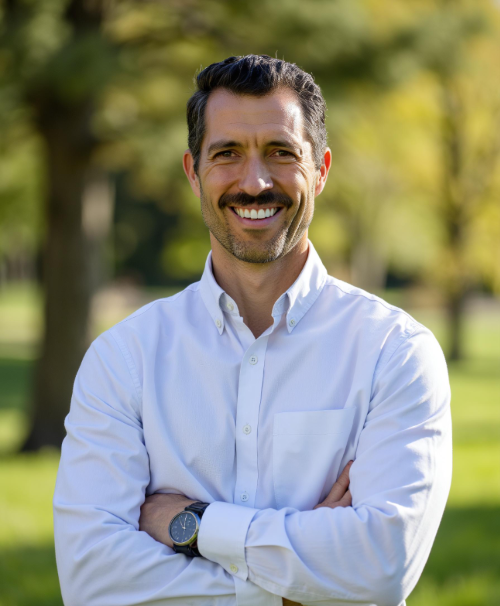
Dustin Barrington
Founder, Peak Functional Health — Functional Nutrition Counselor, CFNC