5 min read
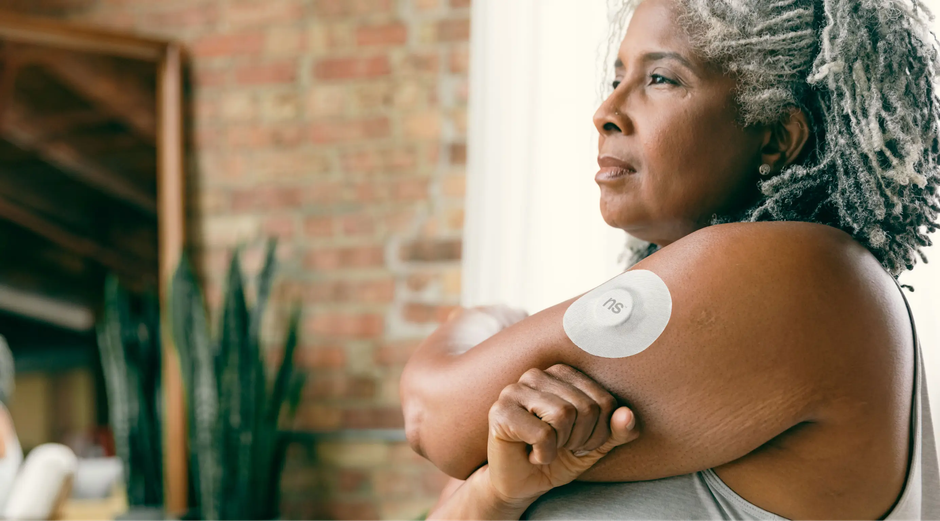
The first time I put on a continuous glucose monitor, I was not managing a diagnosis. I was a functional medicine practitioner who had spent years helping clients understand their metabolic health, and I realized I had never actually seen my own data in real time. That felt like a gap worth closing.
What happened over the next two weeks changed how I think about this work.
I still remember sitting at Maria Bonita one evening, eating tacos like I had a hundred times before, with no particular concern about what I was ordering. I checked my CGM app afterward and watched my glucose climb past 140. Not a dramatic number in isolation, but striking when I compared it to a home-cooked meal earlier that same week using similar ingredients, which barely moved the graph. Something about eating out, whether the portion size, the preparation, or something I could not pin down, hit my system differently than I expected. I had always told clients that food quality mattered beyond the macros. Now I had a graph that showed me what that actually looked like in my own body.
The bigger surprise came during exercise. I had held the reasonable assumption that working out would bring glucose down, and over the long run it does. But during a hard interval session, my glucose spiked to 130 and stayed elevated for more than an hour. The mechanism makes sense once you understand it: intense exercise signals the liver to release stored glucose to fuel the effort, and adrenaline and cortisol accelerate that process. On the graph it looks like a rise, which can feel counterintuitive, but it is fuel mobilization, not dysfunction. The real metabolic benefits of that session show up in the hours and days afterward, when the muscles that were stressed become more receptive to glucose and your meal responses often look cleaner as a result. The CGM window during the workout is only part of the story.
What I also noticed is that lower-intensity movement works completely differently. A walk after a meal, even a short one, draws glucose into working muscles through a pathway that does not require insulin to trigger it. On the graph, that kind of movement tends to flatten or lower the post-meal curve in ways that a harder session does not. This is one of the most reliable tools in the entire metabolic toolkit, and seeing it on my own graph made it more real to me than any explanation I had given a client.
There was also a pattern I watched closely across a number of larger meals, which I now think of as the second wave. A high-carbohydrate meal would push glucose up past 120, then it would drop sharply, sometimes into the low 70s, and then, even without eating again, it would climb back up. That middle dip is what most people experience as the afternoon crash, the sudden hunger, the irritability that seems to arrive from nowhere. Seeing it play out on a graph removed any remaining doubt I had about the mechanism.
And then there was what did not move me at all. A handful of walnuts. A little dark chocolate. A protein drink with nuts. My glucose stayed smooth and stable for hours after each of these. I had been reaching for foods like these for years, almost by instinct. The CGM told me why they worked.
Here is the thing I did not fully anticipate: when I started walking clients through their own two-week observations, everyone found something different.
Research tracking hundreds of people wearing continuous glucose monitors has found that responses to identical foods can vary dramatically from one person to the next. Same banana. Same rice. Same meal under the same conditions. Completely different graphs. The only thing that reliably predicted how someone responded was their own prior responses. Not a protocol. Not a dietary rule. Their own data.
One of my clients spikes on sweet potatoes and does fine with oatmeal. Another is the reverse. Someone who handles fasting easily might see glucose drop lower than expected, while someone else stays completely stable through an extended fast. Exercise timing matters differently for different people depending on what they ate beforehand and how they slept. A food that stabilizes one person can send another person’s graph in an unexpected direction.
This is not a flaw in the tool. It is the entire point of it.
A CGM is not a universal protocol. It is a mirror. It shows you how your specific body responds to your specific inputs, not how an average study population responded, not how your friend with the same symptoms responded, but you. And when people see their own data, something shifts. They stop arguing with their body and start getting curious about it instead.
If you have been doing everything right and still feeling off, the answers are often in the pattern, not the snapshot. Your blood sugar is telling you something. A CGM just makes it possible to hear it.
Curious what the process actually looks like? See what to expect in Your Experience with us.
Ready to feel better?
If you’re tired of feeling stuck, defined by your disease, and ready to address the factors fueling illness and chronic symptoms, let’s get started today.
Schedule a complimentary strategy session
Dustin Barrington
Founder, Peak Functional Health — Functional Nutrition Counselor, CFNC